Anzeige
Fauna Marin GmbH Tunze ICP Osci Motion Kölle Zoo Aquaristik

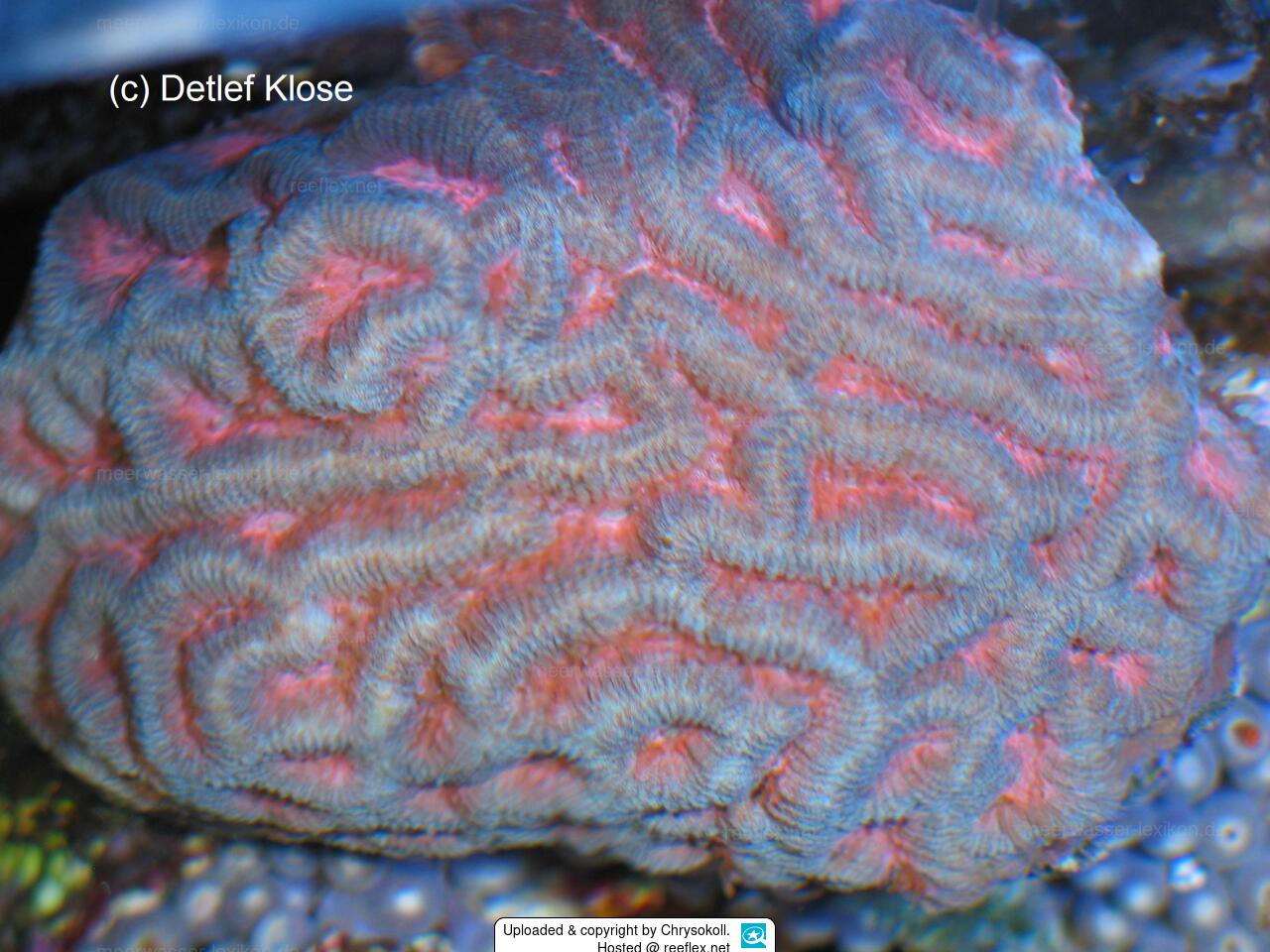
Paragoniastrea australensis Lesser Star Coral

Paragoniastrea australensis is commonly referred to as Lesser Star Coral. Difficulty in the aquarium: There are no reports available yet that this animal has already been kept in captivity successfully. A aquarium size of at least 150 Liter is recommended. Toxicity: Toxic hazard unknown.


Profilbild Urheber Chrysokoll


Uploaded by Chrysokoll.

Image detail


Profile

lexID:
2112 
AphiaID:
817177 
Scientific:
Paragoniastrea australensis 
German:
Australische Paragoniastrea, Kleine Sternkoralle 
English:
Lesser Star Coral 
Category:
Steenkoralen LPS 
Family tree:
Animalia (Kingdom) > Cnidaria (Phylum) > Anthozoa (Class) > Scleractinia (Order) > Merulinidae (Family) > Paragoniastrea (Genus) > australensis (Species) 
Initial determination:
(Milne Edwards & Haime, ), 1857 
Occurrence:
Hong Kong, Argentina, Australia, Coral sea (Eastern Australia), French Polynesia, Great Barrier Reef, Guam, Indonesia, Japan, Lord Howe Island, Madagascar, Micronesia, Mozambique, New Caledonia, New South Wales (Australia), Niue, Norfolk Island, Palau, Philippines, Pitcairn Islands, Queensland (Australia), Rapa, Somalia, Taiwan, Tasman Sea, the Cargados Carajos Shoals, the Kermadec Islands, the Seychelles 
Marine Zone:
Subtidal, sublittoral, infralittoral, deep zone of the oceans from the lower limit of the intertidal zone (intertidal) to the shelf edge at about 200 m water depth. neritic. 
Sea depth:
0 - 40 Meter 
Habitats:
Seawater, Sea water 
Size:
up to 9.84" (25 cm) 
Temperature:
74.84 °F - 82.04 °F (23.8°C - 27.8°C) 
Food:
Plankton, Zooxanthellae / Light 
Tank:
33 gal (~ 150L)  
Difficulty:
There are no reports available yet that this animal has already been kept in captivity successfully 
Offspring:
Not available as offspring 
Toxicity:
Toxic hazard unknown 
CITES:
Appendix II ((commercial trade possible after a safety assessment by the exporting country)) 
Red List:
Least concern (LC)  
More related species
in this lexicon
:
 
Author:
Publisher:
Meerwasser-Lexikon.de
Created:
Last edit:
2026-04-14 18:26:11 

Info

Paragoniastrea australensis (Milne Edwards & Haime, 1857)

Infos from Corals of the world by Charlie Veron:
Characters: Colonies are submassive or encrusting, and meandroid, with sinuous valleys. Columella centres and paliform lobes are well developed.
Colour: Very variable but usually a uniform dull green or brown or with walls and valley floors of contrasting dull or bright colours.

Synonymised names
Coeloria australensis (Milne Edwards & Haime, 1857) · unaccepted > superseded combination
Goniastraea pectinata var. benhami Vaughan, 1917 · unaccepted > junior subjective synonym
Goniastrea australensis (Milne Edwards & Haime, 1857) · unaccepted > superseded combination
Goniastrea benhami Vaughan, 1917 · unaccepted > junior subjective synonym
Prionastraea australensis Milne Edwards & Haime, 1857 · unaccepted > superseded combination (basionym)
Prionastrea australensis (Milne Edwards & Haime, 1857) · unaccepted > superseded combination

Pictures

Commonly


Husbandry know-how of owners

am 03.07.22#3
Ich bin mir nicht sicher welche Art genau jetzt die Gaoniastrea "Dragon Soul" ist, die ich seit 5 monaten pflege,aber ich finde sie absout super. Sie hat bisher keine Probleme gemacht,auch nicht, als eine Ricordea Yuma sie am Rand ein klein bisschen angenesselt hat und obwohl sie im Schatten sitzt, ist sie ohne direkte und nur mit wenig indirekter fütterung sogar gewachsen. Die angenesselte Stelle wurde erstaunlich schnell wieder überwachsen.
Ich habe angefangen sie direkt zu füttern, ausgewachsene Frost-Artemien bleiben an ihr nicht gut genug hängen, Bei Strömungsstille fraß sie aber Fisch-Flockenfutter und SPS-Mikroflocken durch "Schleimschicht-Einfang".
am 12.09.09#2
Anmerkung von Chrysokoll zum Bild und Tier.

Goniastrea. Eine G. pectinata oder doch eine G. australensis (wie von Mrutzek Meeresaquaristik gekauft)? Beschreibung aus AIMS zu G. australensis:

Aussehen: Kolonien sind submassiv oder inkrustierend und meandroid, mit gewundenen Täler. Columella und pali-Lappen sind gut entwickelt. Farbe: Sehr unterschiedlich, aber in der Regel ein einheitliches mattes grün oder braun oder mit Wällen und Tälern von kontrastierenden mattem oder glänzenden Farben. Ähnliche Arten: Goniastrea australensis ist der einzige voll meandroide Goniastrea. Unterwasser kann es schwierig sein sie von Platygyra lamellina zu unterscheiden, aber die Skelette sind leicht an ihren gut entwickelten Columella und pali-Lappen zu unterscheiden. Submeandroide Kolonien ähneln Goniastrea pectinata. Lebensraum: Flaches oder klares Wasser.

Beschreibung aus AIMS zu G. pectinata: Aussehen: Kolonien sind submassiv oder krustig wachsend. Coralliten sind cerioid bis submeandroid. Letztere haben in der Regel weniger als vier Zentren. Die Wände sind dick, paliform Lappen sind gut entwickelt. Farbe: Gewöhnlich hellbraun oder rosa, können auch dunkelbraun sein im tiefen oder trübem Wasser. Ähnliche Arten: Goniastrea edwardsi, die deutlich kleiner corallites und G. australensis welche Täler ähnlicher Breite hat aber in der Regel voll meandroid ist. Beide Beschreibungen von mir übersetzt.
am 25.08.09#1
Das Gezeigte Foto von Reefermadnes zeigt eine Untypische Kolonie. Normalerweise sind Kolonien von Goniastrea australensis submassive oder inkrustierend dabei aber meandroid, mit gewundenen Täler.
Goniastrea australensis ist die einzige voll meandroide Goniastrea. Kann leicht mit Platygyra lamellina verwechselt werden1
3 husbandary tips from our users available
Show all and discuss

Wat is dat?

The following is an overview of "what's that?" Entries that have been successfully determined and assigned to this entry. A look at the entertainments there is certainly interesting.